Sean Halpin (0:00): So, the first thing we're going to talk about, Elizabeth, is a little bit about your background. You came to cannabis from multi-unit apparel and accessories retail. So, from that, what carried over to dispensaries and what did you have to relearn from scratch?
Elizabeth Rosario (0:18): Yeah. So, I think that from day one, one of the things that really stood out to me that carried over, because everybody's starting in cannabis, it's a new industry for everybody joining. There are very few experts in this industry. We're all learning every day, and that's what makes it exciting.
But what I was able to carry over was business acumen carried over very seamlessly. One thing that I found from the beginning was that there was a need to be able to evaluate your business based on KPIs, any tangible metrics, whether that was your average or spend or, you know, units, categories that are selling through percentages of what's taking a hold of your business. So, menu real estate is what we called it, you know, back in the day in traditional brick-and-mortar retail. If, you know, if one thing is taking up 60% of your overall sales, whether it's a brand or a category, it makes sense to make sure that you allocate 60% of your budget for, you know, your menu to that category.
Customer service always is going to carry over. I think that a lot of brick and mortar retail, the mall, we were given sales goals every day. And because we're such a new industry and cannabis, a lot of the times you don't have sales goals. You're not beating an LY. There is no LY. And I think that general customer service of and that is embedded in you from the beginning. Very helpful because it carries right over to customer service with cannabis because it's actually one of the one stores that you walk into. And it's not like walking into a clothing store where, like, I'm looking for a pair of jeans, nice T-shirt, and I'm out.
Most people are going to be walking into a cannabis store for the first time and genuinely looking for assistance or genuinely looking for help. And with that, product knowledge. So if you have a specialty retail client, whether it be, you know, designer sunglasses or sneakers, being able to retain and, you know, reiterate to your customer product knowledge is super important. One thing that we had to start, or at least I had to start from scratch with that was completely different was going to be the importance around compliance, or, you know, regulations, depending on, you know, your state was the number one thing that I had to kind of switch gears and reprioritize for myself as a leader in the, in, in my store.
In traditional retail, it was to making sure that you're not breaking any fire codes, that you're not blocking any exits, making sure that you're open at the time that you told the mall that you'd be open or not breaking any lease agreements. But, you know, making sure that I-9 and W-4 hiring paperwork is done on time. But in cannabis, it's a completely different entity. It is everything. It's what governs our day to day.
Sean Halpin (3:18): So your background is in traditional technology sales business. In enterprise environments.
Now, bringing that to the floor in cannabis, where is it that you saw the need for this in cannabis? And what was the state of tech in cannabis when you first entered the market?
Ryan Lagace (3:37): So, coming from outside the cannabis space, I spent a little bit over 15 years working in enterprise technology, retail technology, restaurants, hospitality, and a handful of other different verticals. One of the first things I noticed is the system the tools, the point of sale are just completely unique and different in the dispensary and the cannabis space.
Some of the traditional platforms you're used to in retail, think of a Toast or think of a Square, are just not here in the dispensary and the cannabis space. So, from someone coming out and coming in, you really have to understand who all the different players are, what are their pros, what are their cons. I'm not saying you have to necessarily relearn the basics, but you have to relearn the basics. It's a completely different ecosystem. So, when we entered the dispensary space from a technology perspective, first thing we had to figure out who are the real players, what are the differentiators, talking to a lot of different people in the space, Elizabeth being one of them, to really understand the pros and cons of all the different platforms.
And one of the most prevalent things that I noticed, which is still an area that needs significant amount of improvement in the dispensary space is open APIs. And being able to use different tools and different resources and having a lot of the software companies in the space, which shall all remain nameless for the purpose of this conversation, have closed APIs. In other words, use what we want you to use, and you can't use anything else. So, I do think that's getting better, but I certainly think there's still a lot of maturity that needs to come into the space around systems and tools and empower the dispensary to use the tools that they want to use within your software ecosystem.
So, one of the big things I noticed, just kind of to summarize that, is different platforms, different software suites, and more of a closed API network.
Sean Halpin (5:35): Question two for you, Elizabeth. You've helped launch stores in New York, New Jersey, Connecticut, Rhode Island, and Maryland. What does a first-time owner usually get wrong before you arrive?
Elizabeth Rosario (5:49): Yeah. So, I would say it doesn't even extend to just a first-time...
Operator, owner. I think it would also extend to experienced companies. I've worked for MSOs that, you know, had a plan that worked in one state, didn't work in the other. It didn't work in one location, but did work in a separate, you know, location that was in the same state. It's, for me, it's always customer journey. It's always the store flow. My number one thing is if you have a location and if you're looking at a location, if you're thinking about looking at a location, what does the customer journey look like from entering your building, from really parking, you know, if that's their means?
How do they get there? What streets are they on? What is the best exit? Where are they located in your general area? And making sure that you're finding any possible bottlenecks very early. Because when you have, you know, A store that you're putting this much heart and love and money into, you want to make sure that whatever can go wrong probably will go wrong, but at least you have several solves. You know, if this happens, I'm going to pivot and readjust it and follow through this way.
But again, a lot of the time, you know, it's not just first-time operators. It can be, you know, major multi-state operators who have done this since the beginning and have a playbook on how to, you know, execute a rollout of recreational, opening new stores. Putting yourself in the shoes of the customer, because the best thing that you can do for yourself is identifying possible problems and then coming up with possible solutions, and as many of them as you possibly can.
Sean Halpin (7:38): So, you've just been awarded your license.
What are you going to do in the first 30 days after getting that license?
Elizabeth Rosario (7:48): For sure. So, obviously, it's very dependent on what state you're in, but finding a location. You don't already have one. In my experience, especially, like, I'm in New York currently, the way that New York rolled out recreational, you know, dispensaries and applications was if you had a location, you actually, when you applied, you got priority on getting awarded an application. So, if you don't, if you get a license in any state, in any circumstance, your location is going to be your first thing to identify and making sure that you are thinking through the, again, the customer journey and, the operational, you know, piece to it, the security that you're going to have to ensure that you have, you know, your fulfillment model, what you're ordering is going to look like, making sure that you, you know, have all of the proper technical and logistical pieces kind of planned out of what you want going into looking at spaces and going into looking at locations, making sure you're physically driving and walking the space.
Just to ensure that it is what you want it to be just because you find a space that allows you to open a dispensary there and you could afford the rent. It doesn't necessarily mean it's going to be your best option, but it is the first thing that you have to identify because that has been, especially in New York, that has been the number one struggle for applicants for licensed awardees.
Sean Halpin (9:23): So, Ryan, I feel like a similar question could be asked of you as well, too. So, for somebody who's planning on opening a dispensary and they have their location selected, what should they be doing for their tech stack before they begin construction?
Ryan Lagace (9:38): Okay. So, I think something that is tremendously overlooked when someone gets a license, they're about to break ground, is what their tech stack is, working with their GC. And a tech stack goes a very far way. That's everything from door access to security cameras to infrastructure and in many cases, a lot of dispensaries are choosing the hardware or the vendor that they want to do to help them deploy their staff, right, to help them with their build out. And I find there's a handful of different variables that sometimes people miss.
One of them is whoever you're choosing from a technology perspective should absolutely be connected and working with your general contractor. I think there's a lot of times where, hey, GC comes in, we wait for the GC to do their job, then we bring in the tech company. Well, you know, now we have to potentially pass more cables or mount different security cameras or rip down drywall. Or, you know, move AC, low voltage around. So, I think one of the main things that's really important is if you're going to choose a technology solution provider to help you with your full stack build-out, make sure you're choosing absolutely the right hardware.
Make sure you also are choosing who's going to manage that after the fact. Too often, I see a dispensary and they say, oh, I've got my cousin, my friend, this guy down the street, and he's managing their IT environment. It's a recipe for disaster. And also make sure your service provider is in lockstep with your general contractor. Before you're painting the walls and putting up drywall, your GC should already be talking to your technology solution provider. So incredibly important and can save you a lot of time, headache, delays, and money.
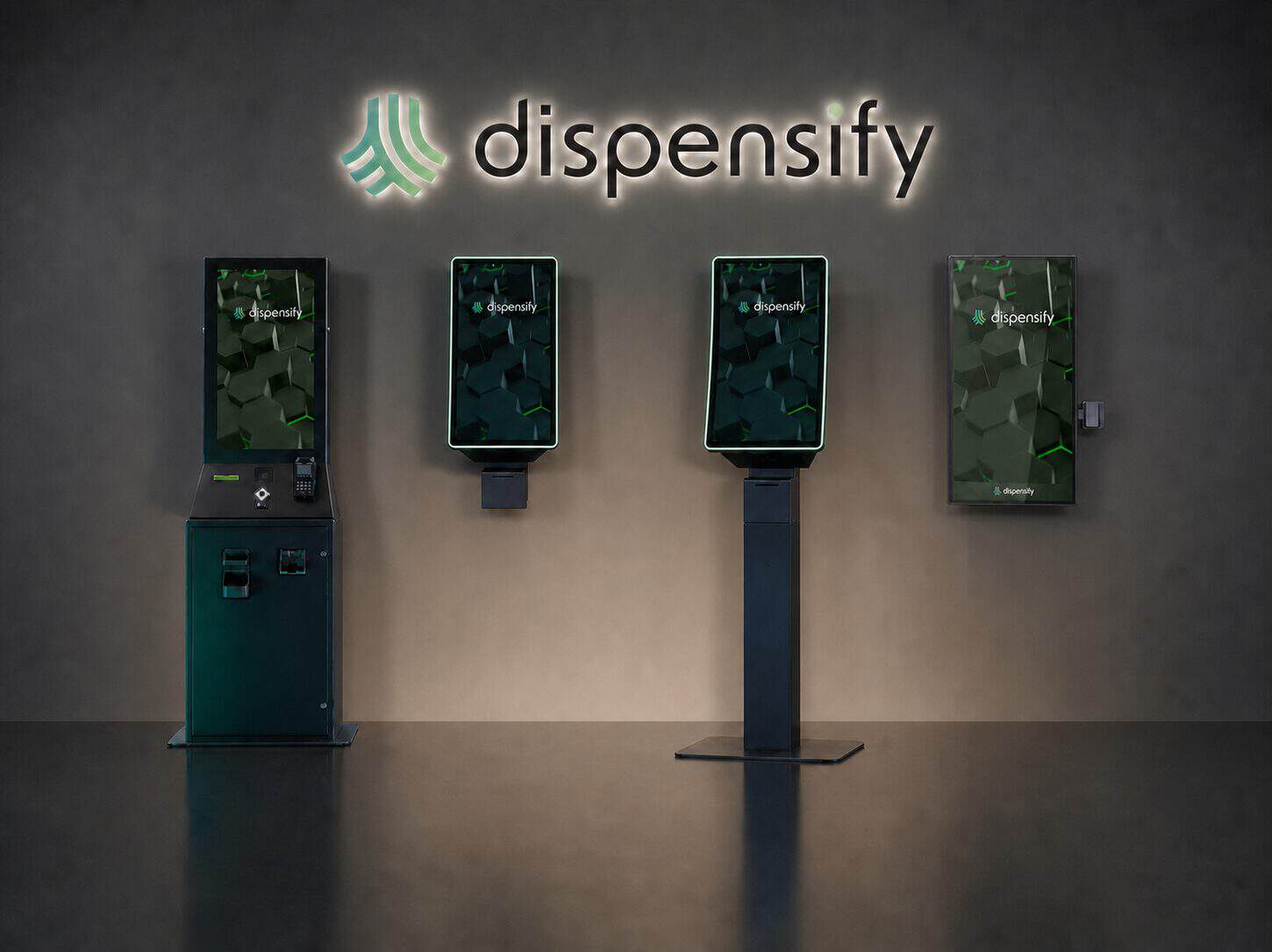
Choosing your stack is going to range from everything from, let's just call it your entire infrastructure to your POS hardware, your printers, your kiosks, and your POS player. You know, the best thing you can do is plan early and have conversations with all of these different suppliers and then kind of pull everything together so you've got a real tight schedule on how you're going to roll everything out and then a real good solution on how you're going to manage post-roll.
Sean Halpin (11:53): Number two to you, Elizabeth.
You say compliance is the business, not a task. What does that look like in daily operations?
Elizabeth Rosario (12:02): Compliance fuels everything. Compliance is going to build out what it looks like when you open your store. It's going to build out what it looks like when you're closing your store. It's going to build out what hiring looks like for you. Your inventory reconciliation. I really do feel, in my experience in the states that I have been in, the regulations end up writing your SOPs. If you understand them and if you're reading them, you know, to the T, you know, again, you need to make sure that and compliance is what is always your priority.
I have seen so many dispensaries make the mistake of, yeah, yeah, it's just, you know, it's just compliance. It's just the rules. It, you know, impacts your ability to actually operate, to open your doors every day. And unfortunately, if you don't have the proper SOPs in place that are going to mirror what your respective states, you know, compliance regulations are, you are going to go down a very slippery slope. And you are going to end up with quite a bit of problems on your hands, even starting with, you know, just inspections.
You could have an inspection at any point. I think a lot of operators, you know, in different states, especially that I'm in New York, we are working with the Office of Cannabis Management, who is doing their absolute best. But again, all these agencies are still in their infancy. They're very new. So, just as we're learning, they're also learning, but the regulations are in black and white. And we need to utilize our offices, regulatory agencies, whether it be, you know, New York or New Jersey or California.
We need to utilize them as a resource because our ability to operate and to open every day and to make money is going to be if we are within compliance. And, you know, I can't stress enough how... How important and how it really dictates what your day-to-day looks like.
Sean Halpin (14:11): How much should I lean on my attorney and what do I need to own internally?
Elizabeth Rosario (14:15): As an owner and an operator, you do need to lean on your attorney for quite a bit, right? You need to ensure that your attorney is handling, you know, maybe regulatory agency correspondence, maybe assisting and just kind of proofreading.
And, you know, if you're having them do your application for you, fantastic. If you're doing it on your own, having them proofread it, making sure that nothing that you're being asked is being answered incorrectly or you are not giving, you know, inaccurate information, because a lot of those applications are government documents. You are, you know, you're most of the time at the end, attesting to everything that you have reported is accurate. I think that, you know, leaning on your attorney to make sure that, you know, the filings are correctly done.
There was a filing that I messed up. And it was genuinely because I didn't understand what the document that I was answering, what it was asking me for. My attorney, in a minute, knew exactly what it was. So I could have saved myself approximately six days of wondering why I hadn't heard back from a State department. And it was because I answered her question incorrectly. So lesson learned. They are extremely helpful for, you know, making sure that state filings, you know, anything of that nature is properly, you know, completed.
And I would say regulation interpretation. What you need to do internally, every owner and operator needs to know their state's regulations. If you have a cultivation license, you need to understand your cultivation regulations and possibly processor and distributors and things of that nature. Anything that interacts with your license, you know, same goes for dispensaries. In my case, as a dispensary owner or operator, are you? You need to know the regulations yourself. You can't rely on your attorney to kind of tell you the rules of the road.
At the end of the day, your attorney has their own, you know, their own role in this. And if you're going to be the owner and operator and you're going to be the one that is, you know, responsible for these entities or these operations, you need to know the regulations. I go to my attorney when I'm reading a regulation and I'm kind of like, all right, I'm reading it one way. I want to go to my attorney and say, hey, look at the black and white as it is. How would you interpret this? Because I want to make sure that I am fully in compliance and I fully understand what I'm reading.
but I have met a couple, quite a few operators or owners that have had their attorneys write their standard operating procedures. And I don't know what good that does for the owner and operator. I'm sure the attorney is very well versed in cannabis regulations afterward, but you need to know them and understand them just as you would understand any subject of interest, right? You know, if it's technology, that's your niche. If it's, you know, so, selling cannabis, that's your niche. You need to know how to do it the right way.
You wouldn't go ahead and start cooking a meal and not know how to turn on the stove. You wouldn't not know to not touch the hot, you know, hot pan. Like, there's certain things that if it's yours, you need to make sure that you know it.
Sean Halpin (17:25): Number four, for the pre-launch phase, which dependencies catch new owners off guard? For example, what can't start? What did you start until final license issuance, whether it's point-of-sale, seed-to-sale integration, or e-commerce setup timelines?
Elizabeth Rosario (17:48): So, in my experience, I actually just went through this process.
There was a lot that I couldn't do until our final issuance. One of the most important things for me was our seed-to-sale tracking system in New York State. It is Metrc. So, until I received my final license, I wasn't able to register with Metrc Learn. I wasn't able to, you know, take the new business fundamentals, which is a requirement here in New York State. And I wasn't able to, you know, start, like, get logged on, get my credentials. Sometimes you run into situations with your financial institution that you cannot commence certain financial transactions until they have your final license.
There's, you know, obviously ordering products if you don't have your seed-to-sale. There is quite a bit that could be held up by not having your final license. I think the best piece of advice for any owner operator is piecing that out way before you get your final license, like as a as a go list. So I got my my final license on a on one day the next day, and it was only because I got home late that night. The next day, I was on my seed-to-sale tracking. I was signing up for credentials. I was taking the required training.
And then I was, you know, powering through and haunting everybody I could to see, hey, what's next, what's next, what's next with the follow-up. So, for a new owner and operator, it is extremely important to make sure that you know what you can't do until you have your final license and having a go list prepared so that it is, you know, one, two, three, right after you got it.
Sean Halpin (19:28): So, how does technology impact the bottom line or revenue of a dispensary?
Ryan Lagace (19:37): So, I think technology has a significant impact on the revenue of any dispensary.
I will preface to say it's impactful if the owner and operator is using it in the right way. I think there's three heavy pillars that, you know, any owner and operator is pretty much aware of is you've got the budtender lane right? You've got self-service and kiosk, and then you've got e-commerce. I don't think one is a silver bullet. I think you need a combination of all three. And I also think you need to test the waters when you're opening up your dispensary. Are people gravitating towards the budtender? Are people gravitating towards self-service?
Are people really jumping on e-com? So, there's a lot of factors that go into that. It's geography. Where's my dispensary? Is it near college? Is it near retirement community? Is it in a high income, a medium income? so, I think getting to know your consumer and then doubling down on the areas that either A, have gaps, or B, are just moving really fast. You know, I say all the time, if your budtender is outperforming your kiosk, it doesn't necessarily mean you have the greatest budtenders. It might mean that you're not putting enough time, effort, and resources into your self-service strategy. And the same thing goes the other way, right? If my kiosks are absolutely outperforming my budtender, well, maybe I need to retrain my budtenders.
Maybe I don't have the rights or maybe there's a little bit of coaching to get them up there. Same thing remains on the e-commerce side. So, you should have three main pillars. And where I think technology is important is who are the service providers that are helping me on these three pillars, right? What are the software platforms that I'm using? And what am I doing with all the data? I think, you know, if you're opening up new after a quarter, what are my high margin products and where are they selling?
Are they selling at the kiosk? Are they selling on e-com? Is it the budtender that's pushing them? So I think... There's a lot of factors going into where technology is going to help you on your opening, but technology is only going to go so far as the time, effort, and resources that you're putting into it to get basket lift and higher revenue.
Sean Halpin (21:44): So, Elizabeth, a question to you. How do I build a realistic revenue model when I don't know who my customer will be?
Elizabeth Rosario (21:54): Yeah, absolutely. I mean, the first day that I ever experienced recreational cannabis, it was, paint the picture here, April 21st, 2022.
we were in New Jersey and I went there, I went to work that day at like 4am and in my head driving there, I remember thinking like, oh, I hope everything is, you know, goes well, goes calm. And in my head, I had this, mystery customer and I thought I knew what they looked like. I thought I knew them or how they spoke, how they, how they talked, how they dressed. Like, I thought you, you think, you know, your customer, you have no idea who your customer is because at the end of day. When recreational sales really did launch, it was every age.
It was a mixture of every race, ethnicity, background. It was everybody you could imagine. My favorite customer day one, I will never forget, was this 90-year-old woman. Who was just so excited to try a gummy for her first time because she was always scared. And, you know, I remember spending like 15 minutes with her and just walking away and being like, wow, she has lived 90 years, however old she was. She was a sweetheart. And this is the first time she's ever seen this because we are currently at about 90 years of cannabis prohibition.
Right. So you don't you don't know who your customer is. We've all kind of been hiding in the in the wings for years. And some you know, some of us have been out and open about our usage and some of us haven't. And safe access is really important, right? So, for us, what I think is really a great tool is using social media. Once you have your, you know, your location and whatnot established, we've done that with our dispensaries before that we polled, asking what kind of brands people were looking for, especially if the market was already open and you were kind of getting in not day one. What kind of categories people were interested in.
And, you know, making sure that, you know, some states like New York, we have an annual market report. So, when I am dealing with a dispensary, I evaluate the market and see what the state has reported from the previous year. There's always going to be room for, you know, differences. I am on Long Island, which has had a crazy boom since we launched recreational. I think a lot of vendors, especially those who are kind of coming in from out of the state to open operations here, I think a lot of them were really shocked at Long Island.
And the the population versus the overall volume that we have been doing in adult use cannabis sales. The last time I checked the swing or the margin on that was like double digit difference. So I think that, you know, when you're going into trying to build out a revenue model, using the resources that you do have and using similar states is very helpful. New York and New Jersey, they're different states. And North Jersey and South Jersey were different states. So, the revenues, you know, they're going to vary place to place.
But I think when you take a good look at the demographic of the area that you're opening up in and utilizing your tools like social media or, you know, any sort of state-provided marketing report, I think you have a better way of identifying what you're going to need when you open your store. Real estate or menu real estate for me, as I call it. It's so important to make sure that you are flexing with your customer and not what you as the operator want. I'm a flower girl. And in New York State right now, edibles are crushing it.
Possibly because, you know, we have specific, you know, townships that don't allow cannabis consumption out in public. Sometimes it's because they're just more discreet. But I can't just carry flower. I can't prioritize flower on my menu because if I do, I'm going to miss what my customer wants. It's all about pivoting to what they're liking. So even if you're already operating, listen to your numbers. We have plenty of tools. Our POS systems, for the most part, provide us with really incredible reporting if you're utilizing all of its capabilities.
And I think, you know, opening up the conversation to our customers through social media was actually extremely helpful to us. We were turned, you know, turned in the direction of brands that sometimes we never heard of, sometimes we weren't even considering because we hadn't used it or maybe it wasn't our vibe. So, I would definitely listen and open the conversation up to your customers. It also gives you a really great opportunity to, you know, get to know your customers and let them know that you're here to service them.
Sean Halpin (27:06): So, Elizabeth, what should I know about 280E, banking and cash transport, before I set a budget?
Elizabeth Rosario (27:16): For sure. So, banking and access to banking for cannabis industry is a little nuanced. You definitely have to do your research, pros, cons, about whatever banking institution you're looking at. Some banks require you to sign a contract and agree to have a cash transport service. With them, even if the state doesn't require it. So, the banking institution that we use, they do require us to use cash transport, and the state doesn't require it through their regulations. So, making sure that you're picking a financial institution that is going to be able to support what your needs are, but also that you're able to commit to their requirements.
Because there's so few financial institutions that we have access to, we want to make sure that we're good partners and that we are complying with their requirements as well. 280E is still very much in effect. I've had a lot of conversations recently with people in everyday life about rescheduling and that 280E tax compliance has gone away. We are still not rescheduled. And when we did reschedule, it was actually for medical specifically. So when you're in an adult use market, or you're an adult use, you know, operator, you have to think about, you know, what the 280 tax compliance means.
And it is for any schedule one, you know, controlled substance. And right now, as as it stands today, adult use cannabis is a schedule one, you know, controlled substance. So there is some, you know, tax implications, things that we don't have access to or things that we're not included on that other industries and other businesses are. And, you know, with that, you got to be very careful when you are selecting not just your, you know, accounting firm, you know, your tax preparer, as it were, or your banking institution, because you want to make sure it's the right move for you.
You and for your business, and you want to make sure that you're very open and honest, transparent, clear, and concise with the banking institutions that you're speaking to. It's not just walking into a bank, applying and opening a checking account. It is definitely much more involved. There's a lot of compliance on their end, too, from a federal perspective. So you want to make sure that you are exploring all options and discussing with these institutions what their requirements of you as the owner and operator are.
Sean Halpin (30:01): What matters more than foot traffic?
Elizabeth Rosario (30:03): Safety matters more than foot traffic. Safety of my staff is always my first priority. So, when you are picking a location, making sure that this location, even if it doesn't have the correct safety requirements when you step into the building, that it has the capability to have those safety requirements. Whether it is maglock doors, whether it is cameras, whether it is, you know, vantage point. One of the things that we had to consider at one of my locations was making sure that when our employees enter and exit the building, that there are security, you know, security parameters put in place.
Simple as making sure that we have an automatic door closer, making sure that the speed of that automatic door closer is appropriate to make sure my staff, you know, can get into the building and safely, you know, put their things down and make sure that it's never a one-off where, you know, you forgot to close the door behind you. That's what we're closing behind you. And, you know, ensuring that everybody feels like they're in a safe environment.
Sometimes with this industry, we are not accepted into the, you know, most expensive neighborhoods in town. Sometimes it is the underserved. And, you know, you know, neighborhoods that really do need the tax revenue and will put it to good use, and we will see it in the first year or so that, you know, conditions of the area are improving, but they're always the ones that welcome us with open arms. And typically, they're the ones that are always the busiest. So I think when you're picking a location, making sure that you are choosing a location that you are able to commit to, to the safety of your staff, of your customers, of any visitors, vendors.
And, you know, with that, foot traffic comes. Because if I feel safe in an environment, I keep going there.
Sean Halpin (32:12): So, last question for the pre-launch. Why is a bigger store often a mistake? And how should I think about store flow when sales are menu-driven?
Elizabeth Rosario (32:27): Absolutely. So I think that one of my personal pet peeves what I believe in this industry is display space over menus. You can have a 10,000-square-foot store and displays and neon signs and robots, you know, doing the chicken dance in the corner. And at the end of the day, that is not going to make it easier for me to come in, place my order, retrieve my order, pay for it, and leave. We are not a bar, if you were to think of it in alcohol, and just because that is the closest, I've learned that the State Liquor Authority and the Office of Cannabis Management have very similar rules and regulations and guidelines.
Cannabis dispensary is not a bar. It is a liquor store. So, we are coming in, you're placing your order, and you are leaving. There's no consumption. A lot of states have some pretty strict regulations about, you know, making sure that there's no loitering in the store. So I think that when you have a very large store, you are, you know, creating a narrative, maybe subconsciously, without ever intending to. I know that a lot of the feedback I've received from customers is that they get overwhelmed in a big store.
I like a smaller footprint, that's not going to be for everybody, but the display space is not nearly as important to me as the ability to have a larger menu. When, you know, we're talking about where the store is. The store for me, I have a kiosk fulfillment model and my store lives on my kiosk screens. That is my store. That is what it is. I have very limited display space. Obviously, you have to have a little bit to kind of showcase. This is what the jars look like for this brand. This is what the packaging looks like for this edible.
But that's not the most important thing, because at the end of the day, most of the time, those things are empty. I want to be able to show my customer that we have an array of options, and the only way to do that is to make sure that you have your entire menu to them, and it is as seamless and functional as possible. You can do quite a bit with 30 feet of space on a wall and throw on a few kiosks, and that's it. It's going in, it's placing your order, and high-tailing it out of there. So, I think the investment should be towards making sure that the options for your customer are large, that the, you know, steps they have to take are few to get through the store, and, you know, making sure that you're able to commit to a fast and enjoyable experience that doesn't require too many overwhelming, you know, distractions.
And I think displays sometimes, while well-intended by the vendors and the products, they can be a little bit distracting when you just kind of need everything in one spot.
Sean Halpin (35:32): So, the first question to you, Ryan, would be, once the license is issued and the store is ready to open, what needs to be live before that first day?
Ryan Lagace (35:42): So, there's a lot of things that need to go live before the first day. I won't get into all the product, the buying, and the brands. I think that's, you know, kind of obvious. We need to make sure what are we selling, you know, what products, what services, who are the brands that we're going to align to launch-wise.
And, there's a lot of simple things and, you know, little things get overlooked. You want to make sure you've got your POS, your POS platform chosen, selected, that is obviously tied to all the products and the services that you're selling. So, when you start selling things like reporting and processing transactions, some of the little, I'd say little things, but even super critical things are incredibly important. So, what hardware am I going to be using from a point of sales perspective? What experience do I want to have?
And the devil's in the details. Do I want to have a customer-facing display? What's going to be on that display? What loyalty platform, if any, am I going to be utilizing and launching? And what readiness do I have around self-service, staff, and e-commerce? So, there's so much stuff that goes into going into a launch, making sure you've got the right POS software, the right kiosk software, the right e-commerce platform, the right loyalty platform, and the right payment solutions is also incredibly important.
What kind of payment methods do I want to take? Do I want a digital wallet? Do I want points back from a loyalty perspective? Am I accepting cash only? Are we doing pay by bank? Are we going to do ATM pin debit? And I think just talking about ATM pin debit in and itself is really ensuring if you're going to go down that road, being prepared should something like that go down, and also being prepared to ensure you know who you are going to work with on that avenue. That's a very gray topic around payments in the space, probably a topic for another conversation.
But all things that need to be absolutely dialed in, you know, before you launch.
Sean Halpin (37:44): So, Elizabeth, same question to you. Once the license is issued, what has to be live before the first day or the launch?
Elizabeth Rosario (37:54): For sure. So, every state's obviously going to be different. But for me, the training needs to be completed. We don't live in a perfect world. So, obviously, there's going to be staff members that maybe join right before we open the doors, as day before, you know, a week after, we're always, you know, adding new faces and new talent to the team.
But especially for state requirements, you want to make sure that any required training is completed, is signed off on, is recorded, and then depending on your state, at least in New York, we have to retain all records for five rolling years. So, making sure that all of your SOPs are not just written at that point. A lot of the times the state will like to see them. Sometimes they'll request them. Sometimes they won't. But they can't just be written and understood. They have to be actively in practice.
So, if your SOPs are to ensure that you are setting your burglary alarm every night or you are, you know, specific with your cash handling procedures, they're ready to go. They're in practice now. You're walking through it. Even if your doors aren't open yet, the day before you should be, you know, entering the land of make-believe and playing pretend and making sure you have everything that you need. Pens, staplers, like these little things that, you know, pretend to go through a transaction. And a lot of, you know, our tech vendors and applications and platforms, they offer sandbox options.
So making sure that you are utilizing all of those resources so that if there is something last minute, you can send somebody over to a store and grab what you needed or, you know, kind of work through the problem solving that inevitably is going to pop up. I think a lot of operators, we all forget something day of. I can't tell you the amount of times that, you know, we're going to launch the store, the doors open, the ribbon's cut. And it's like, man, we don't have any packing tape left. We really need packing tape.
So, you know, silly things like that, you know, day of you, it's easy to get lost in the sauce, as it were. And you want to make sure that you are prepared for whatever day one throws your way. I am a big, big supporter of a soft opening first and a grand opening later. You know, everybody wants to throw a big grand opening and, you know, balloon arch and things like that. But I think at the end of the day, when you're opening one of these businesses, the grandeur is not nearly as important as the customer experience. And soft openings and preparation give you an opportunity to make sure that your customer experience is a positive one.
You know, they say you only get one chance to make a first impression. And I think a lot of people can forgive not having the pizzazz and the balloon arch. I think it's a little bit harder to win back a customer after, you know, that first time if they've had a bad experience. People, customers, especially in this industry, are extremely forgiving. We don't need a lot to, you know, leave a dispensary satisfied and, you know, I can't stress enough that experience, that journey of walking into those doors and having a very quick and seamless operation and getting out and going to enjoy your product is so, so paramount in this industry that, you know, making sure that you are live in all of the ways that matter when you go into day one and not the Hollywood glitz and glamour.
It's all about the customer at the end of the day.
Sean Halpin (41:43): What do operators need to do to best prepare for 4/20?
Elizabeth Rosario (41:48): Preparing for 4/20, prepare for your POS to probably crash. Midday, typically. 4/20 is, is, it's our day, you know? It's funny, too, because I, I think, market-wise, we also have to look at what we call in the industry green Wednesday, which is the day before Thanksgiving. And that typically across the nation is our highest volume sales day. It beats 4/20. And typically, it does beat, you know, 710 oil day. And I have experienced on more than one occasion, my POS crashing and no shade to, you know, our POS providers, they do a incredible job in a very niche market and industry. But you need to prepare for technology to, you know, once in a while, you know, need a minute.
And in those instances, I think that you need to prepare by understanding what your state's respective regulations are. I know in New York, we do have to have written SOPs, what we're going to do in the event of a loss of power, loss of POS system. We have to have those things planned out, whether that is manual record, you know, recording of our transactions. Being prepared to give manual receipts. And, you know, it's nothing's perfect. You know, this is an industry that is still very new, not just to the dispensary operators, not just to the budtenders, but also to the tech operators.
So you got to be willing. It's the one thing that I say about this industry. If you cannot roll with the punches, you're going to have a hard time.
So preparing for, you know, a speed bump like that, even though it could be a it's a big one on one of our highest volume days. I think the best thing that you can do is just to plan for what do I do if and understanding your regulation and how that correlates.
Sean Halpin (43:53): Ryan, how would you position Dispensify as being able to respond or assist when things do go wrong? What sets us aside or sets us apart from the customer service perspective? When a client would have something go wrong.
Ryan Lagace (44:09): So, I think one of the things that kind of differentiates Dispensify from a lot of the other people out there is, I mean, we're a full turnkey solution provider at the end of the day. We absolutely provide incredible hardware and software and solutions, but ultimately, we're the ones installing and delivering and supporting, right?
So, whether that be your IT infrastructure or your kiosk or even helping you out from a POS perspective, we're somebody that you can absolutely call, and in many cases, we are the outsourced IT for dispensaries. Now, we do have solutions as well that actually operate in an offline mode. For example, we've got a cash accepting kiosk that, you know, if your POS, your ATM debit, pin debit went down, you could still rely on us, and we also have an offline mode. More importantly, we pride ourselves on being, if you call us, someone is going to pick up the phone.
And trying to troubleshoot stuff with you live. And the majority of the devices that we deploy, depending on what kind of agreement we have with our customer, we can remote in and give you live support. And when it comes to something like having to dispatch a technician, we've got a national services presence. So, we can actually also dispatch technicians same day or next business day. You know, when we think of things like a 4/20, for example, we're like, we're waiting. We're, you know, we're almost like an army just waiting for the phone call to be deployed.
We've seen a lot of things. And, you know, the great news is we're brand agnostic. So, we work with all the POS providers out there. So, for any reason, if you're not getting the support that you need, you can absolutely give us a buzz and we'll even make the phone calls for you. And in many cases, we do that. Your POS is down, we get the phone call, and then we're doing our best to kind of find a resolution. So, we're certainly here to help. And we've seen it all. There's, you know, especially around 4/20 and high volume days.
Prepare for the unexpected is the best advice I'd give.

 How to Size Self-Service Dispensary Kiosks for Your StoreDo not guess from square footage or buy one kiosk just to test the idea. Use your busiest hour, target self-service share, measured kiosk capacity, floor plan, and fulfillment workflow to size the right number of dispensary kiosks.Read article
  Self-Checkout Isn't Replacing Your Budtenders. It's Promoting ThemThe best stores give customers a choice between the fast lane and a real conversation. One line for everyone isn't a standard, it's a design flaw.Read article
 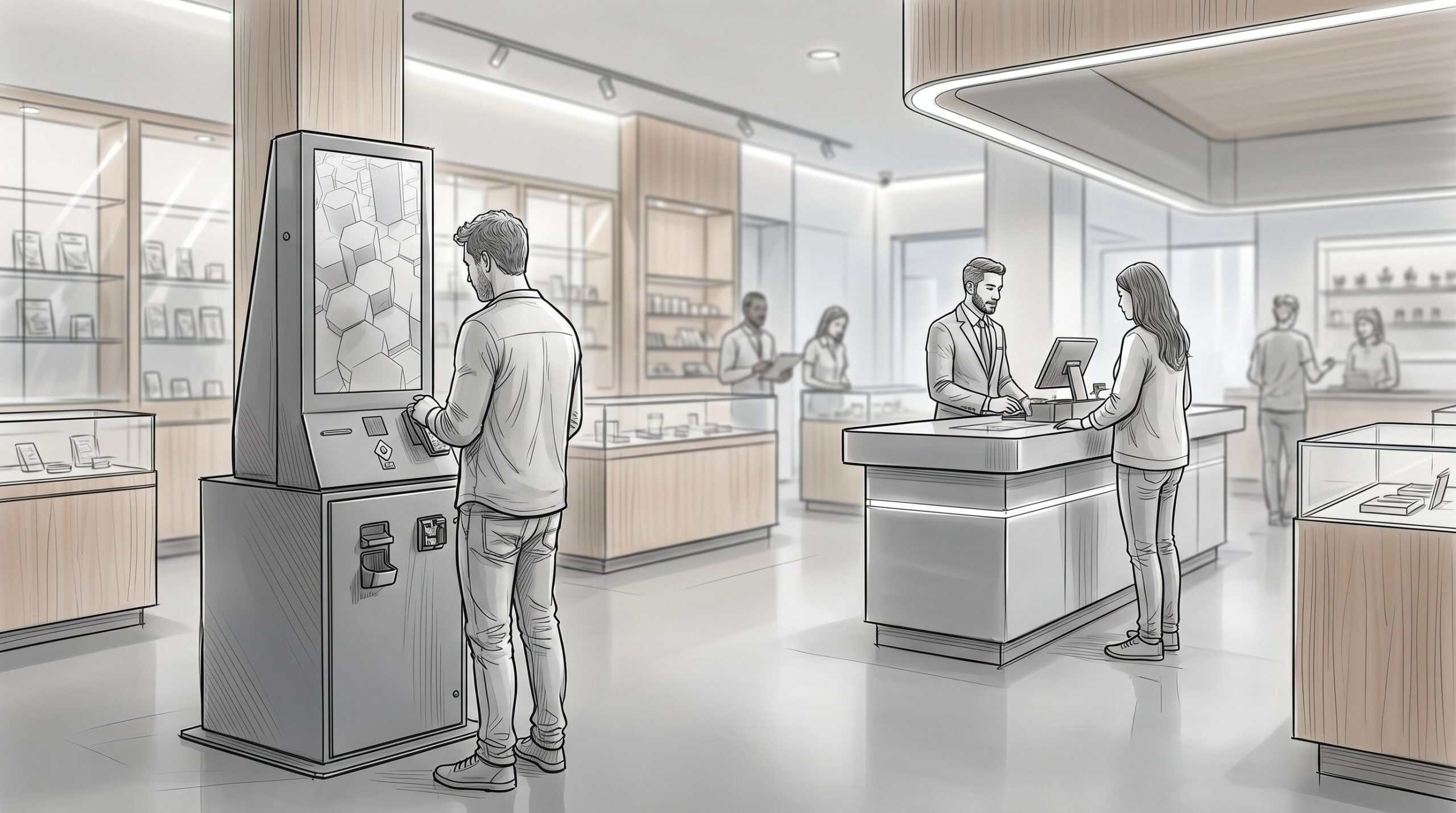 Self-Service Cannabis Kiosks: What Operators Should Know Before They DeploySelf-service is one of the few investments in cannabis retail where the math can be straightforward: shorter lines, larger baskets, and less pressure on the front of house when the Friday rush hits harder than expected.Read article
 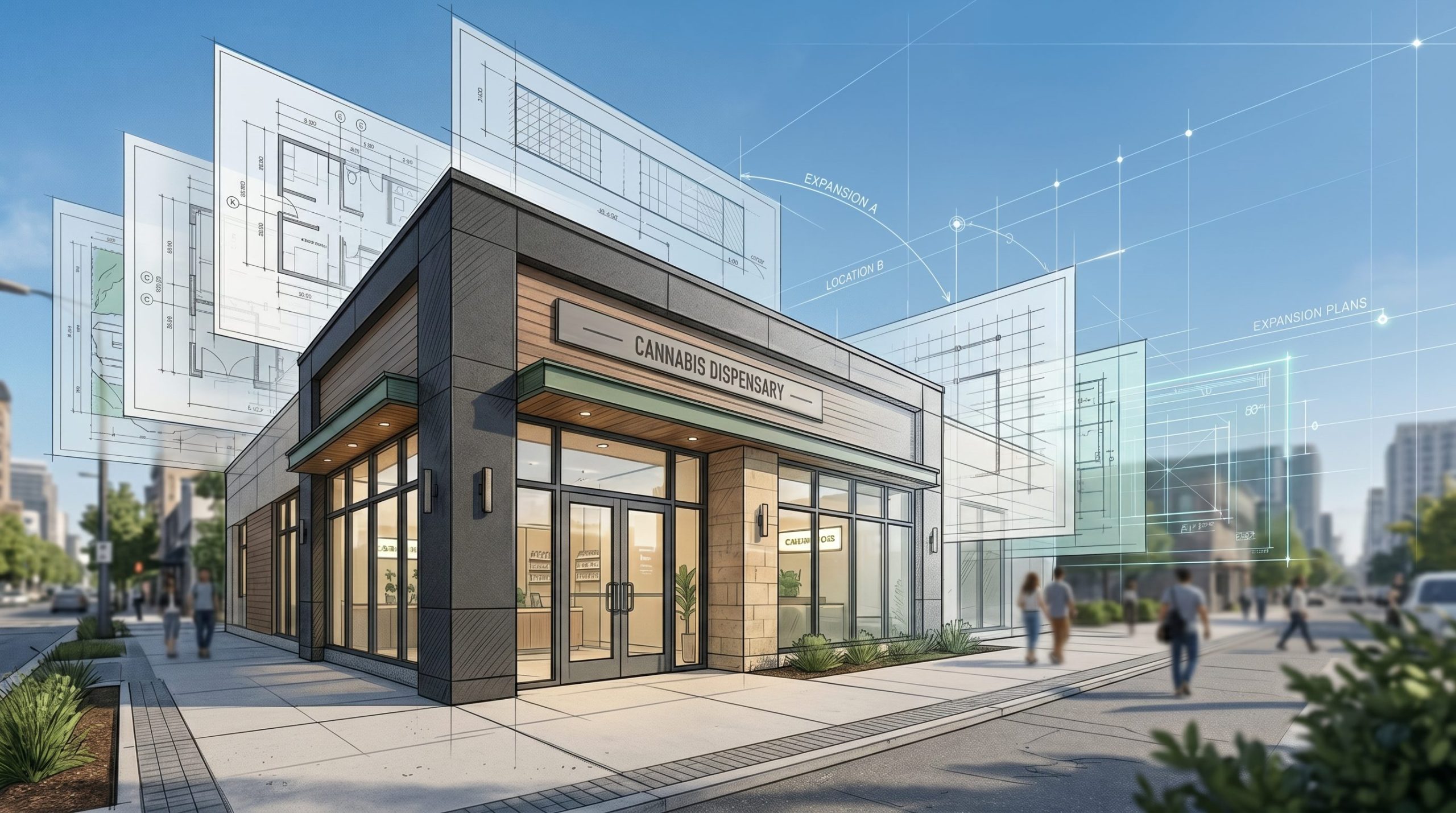 Standardize Checkout, Cash, and Kiosks Across Every LocationDispensify helps MSOs and multi-store cannabis operators deploy the same checkout, cash, and kiosk stack in every store, with one team for configuration, rollout, and support.Read article
 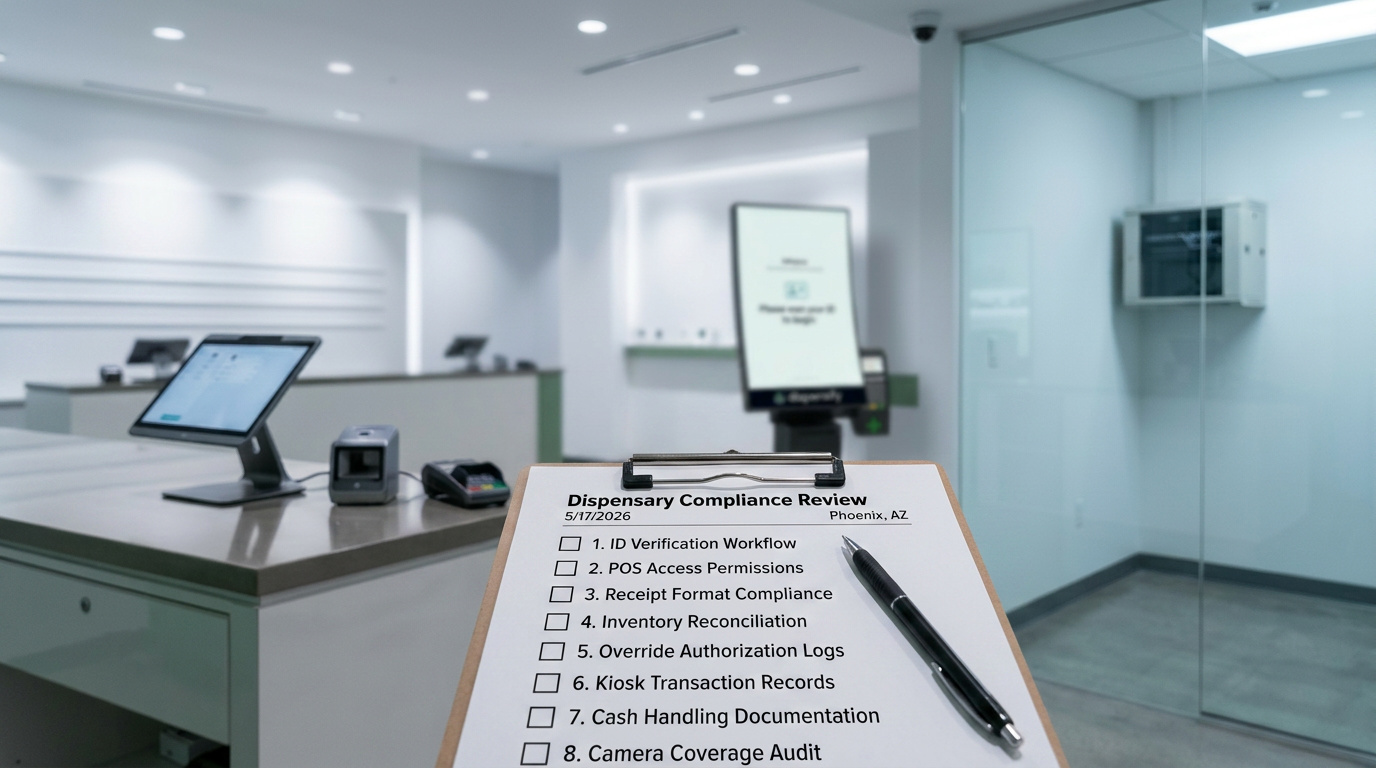 Dispensary Compliance Checklist for POS, Kiosks, and InventoryMost operators think about dispensary compliance as licensing paperwork. The application, the renewals, the annual fees, the state forms with deadlines.Read article
  Cannabis Cash Automation for Dispensary CheckoutMost dispensaries close the same way they did the day they opened. The doors lock, and a manager sits down at a back table to count the drawer by hand. The store got busier, the lines got longer, the deposits got heavier, and the cash room never changed.Read article